Audiobooks Count: The Listening-vs-Reading Debate, Settled Kindly
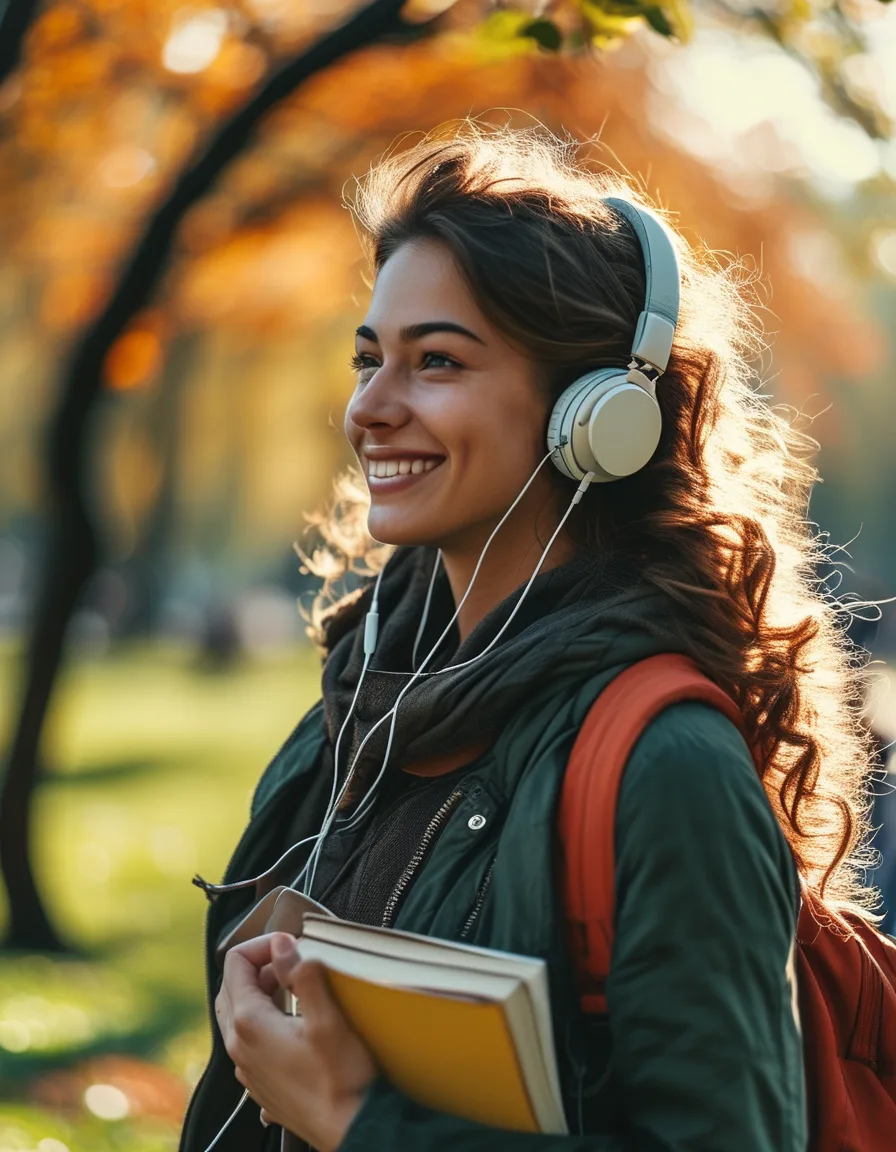
‘Audiobooks are cheating’ persists in reading culture like a stubborn myth — while the comprehension research shrugs and the audiobook walk quietly becomes many people’s best reading hour. The debate settled kindly: what science says, where each format wins and how to listen deeper.
What the Research Says
The comprehension verdict: studies comparing listening and reading of the same texts find broadly similar comprehension for narrative material (the brain’s language processing converges past the input channel — story is story), the honest nuances (complex technical material favors print — the re-read and slow-down affordances matter when density rises; and mind-wandering happens in both formats, it just feels guiltier in audio), and the definitional point (reading is the engagement with the text, not the eyeball mechanics — the blind community settled this debate decades before podcasts existed).
The Format-Matching Guide
Right book, right channel: audio shines for narrative (memoir — especially author-read, fiction with strong voice, and anything conversational; a great narrator ADDS a layer print can’t — the performance is a legitimate art), print shines for density (the argument-heavy nonfiction you’ll underline, poetry’s visual line breaks, anything with charts), the both-formats trick (the whispersync-style read-and-listen combo for commute-heavy weeks — same book, continuous progress), and the sample rule (the narrator audition before the credit spend — a wrong voice ruins a right book).
The Deeper-Listening Habits
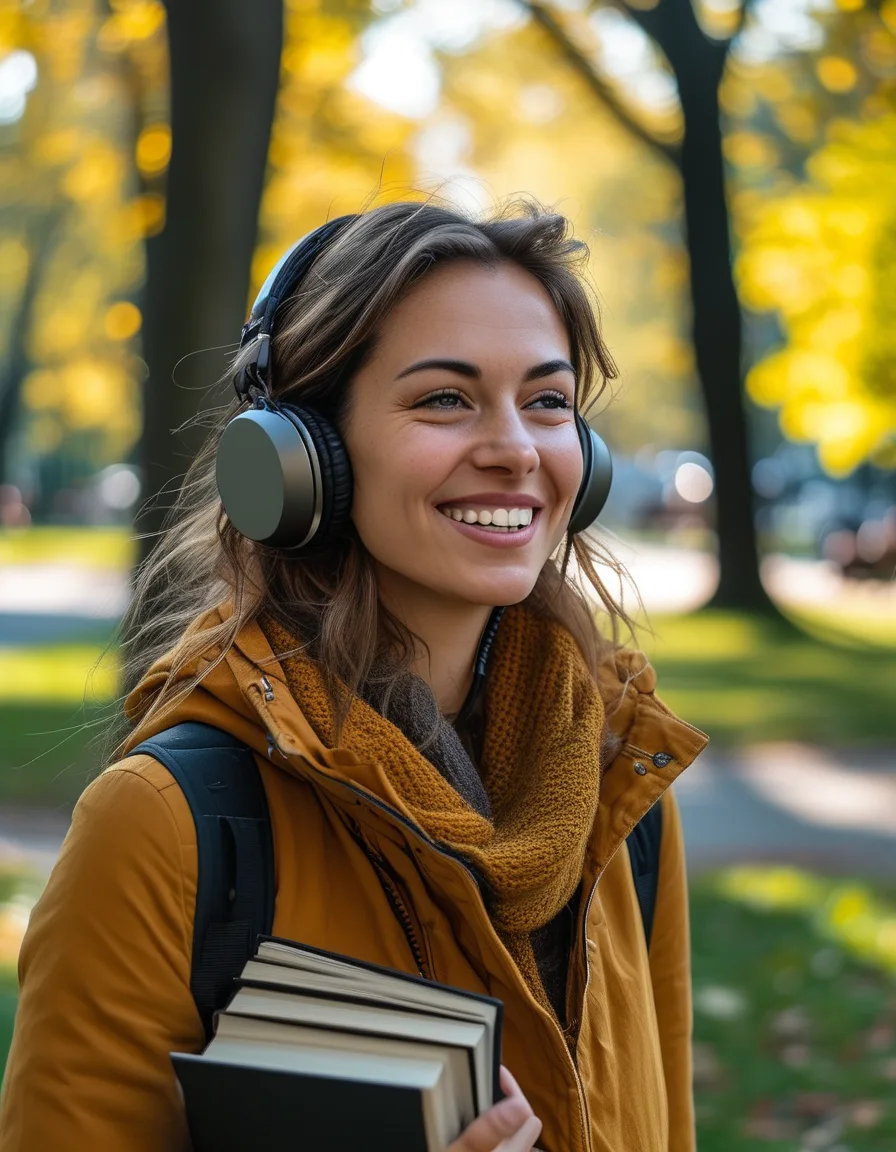
Getting more from audio: the speed honesty (1.2-1.5x preserves comprehension for most; the 3x flex is scanning, not reading — match speed to the book’s density, not your impatience), the pairing effect (audiobooks bond to activities — the walking book, the commute book, the folding-laundry book; the habit-stacking makes both halves stickier, and the walking-book combination is the wellbeing double-dip), the bookmark-and-note workaround (the voice-memo or app-clip habit for the lines worth keeping), and the re-listen legitimacy (favorite books re-listened are comfort AND comprehension — the second pass always catches more).
The Club-and-Culture Layer
Audio in reading life: book clubs should say it aloud (the ‘any format counts’ policy, stated once, removes the sheepish confessions — half the club was listening anyway), the library superpower (the library apps’ free audiobook catalogs are the format’s best-kept economic secret), the reading-slump medicine (audio restarts stalled readers reliably — the lower activation energy is a feature, exactly like the lazy-girl workout logic), and the both-and conclusion (heavy readers increasingly mix formats by context — the debate dissolves the moment you stop ranking channels and start finishing books). The book you actually finish counts; the ears were always legal.
Comprehension converges, narrators add art, match format to density, say it counts aloud. The audiobook debate was gatekeeping wearing a monocle — listen proudly, finish more books.
Keep Reading
This article is for general informational and styling purposes only. Fit, sizing, and product availability may vary.